Accountability is not achieved when one case ends in a verdict. It is achieved when the next patient lives because we learned from the last one who did not.
The Accountability Gap
Understanding the Accountability Ecosystem
Medical negligence is often discussed as if it were a conflict between two opposing sides—patients who have been harmed and healthcare providers accused of making mistakes. In reality, the system that governs medical accountability is far more complex. It operates through the interaction of several institutions, each with its own responsibilities, pressures, and priorities.
Patients and families experience the human consequences when medical care goes wrong. Physicians and healthcare providers carry the responsibility of delivering care in an environment filled with uncertainty and risk. Regulatory agencies oversee professional conduct and enforce licensing standards. Legislators and policymakers design the legal and administrative framework that determines how accountability is pursued. Insurance companies, meanwhile, manage the financial risk associated with medical liability and influence the economic environment in which the healthcare system operates.
Together, these perspectives form an ecosystem of accountability. Each plays a different role in determining how medical harm is investigated, how responsibility is assigned, and how the system attempts to learn from its failures.
The links on the right side of this page examine the issue from each of these perspectives. Understanding how these parts interact is essential to understanding where accountability succeeds—and where gaps may exist.
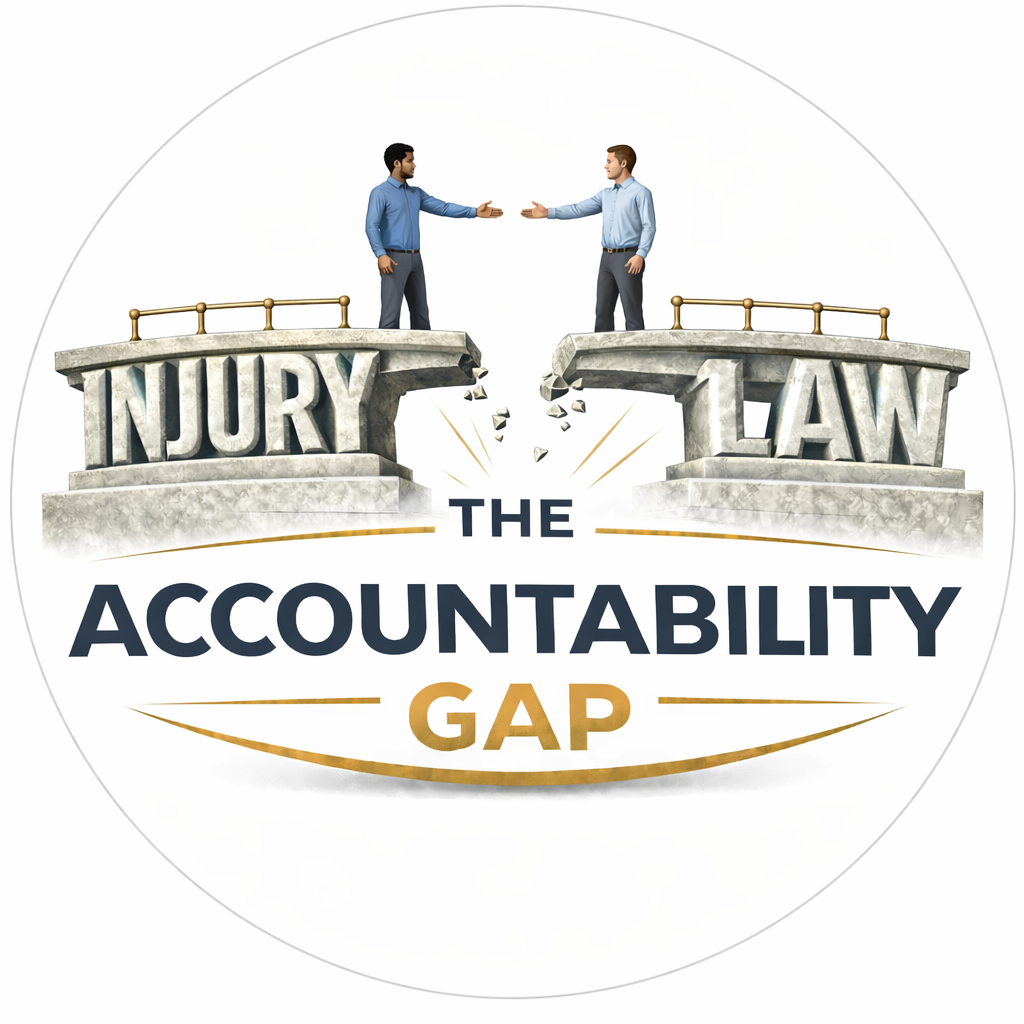
A gap is created when preventable medical deaths occur but systems fail to acknowledge error, assign responsibility, and implement corrective action.
We Bridge That Gap.
Choose Your Perspective:
Start with the perspective closest to your position, then explore the concerns of the other stakeholders.
Follow us on social media